

Assumption University Library Joins National Conversation on the Future of AI in Libraries and Research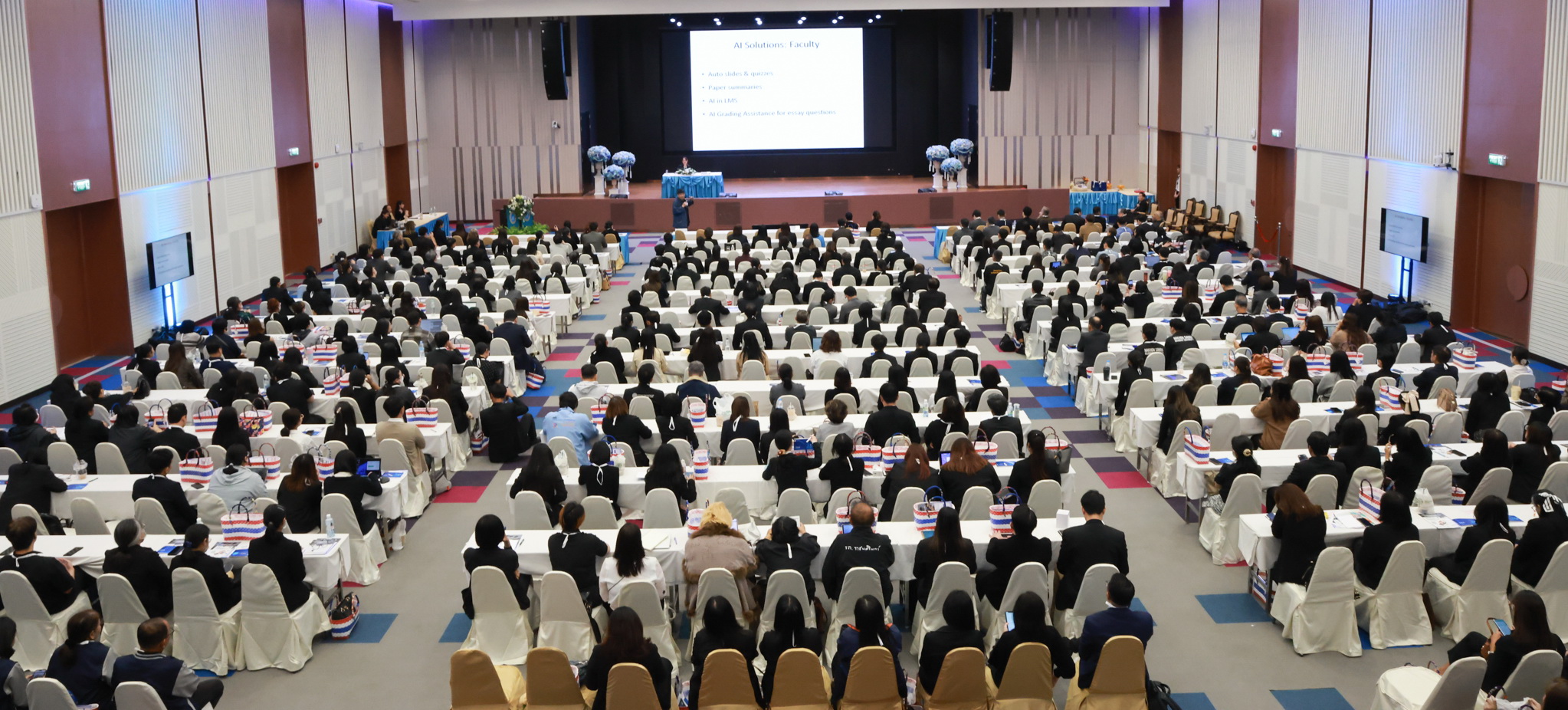
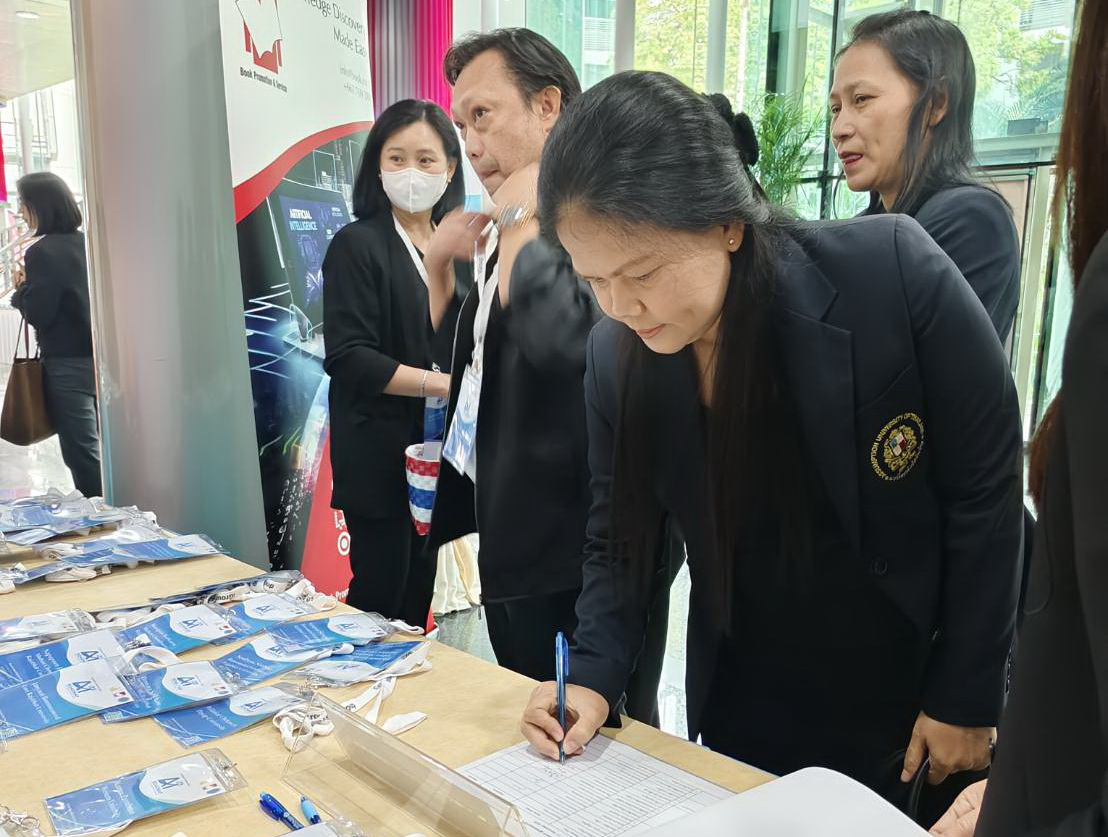
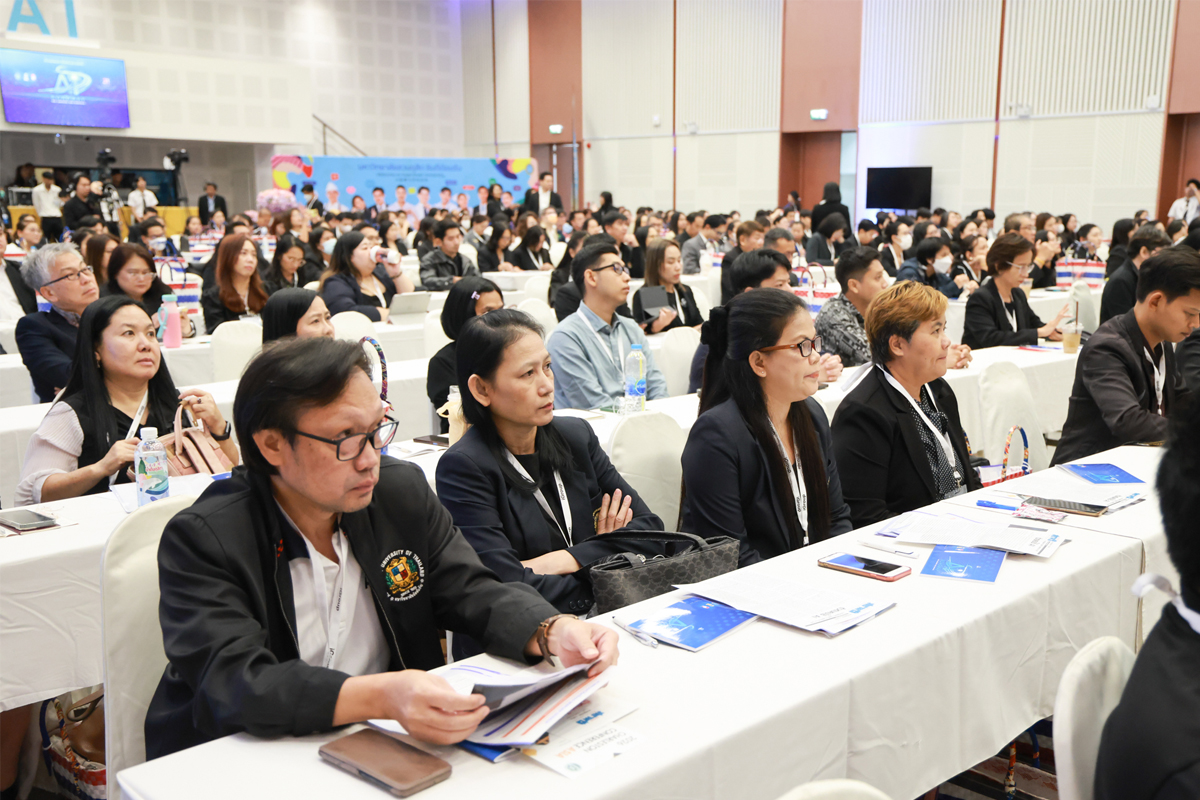
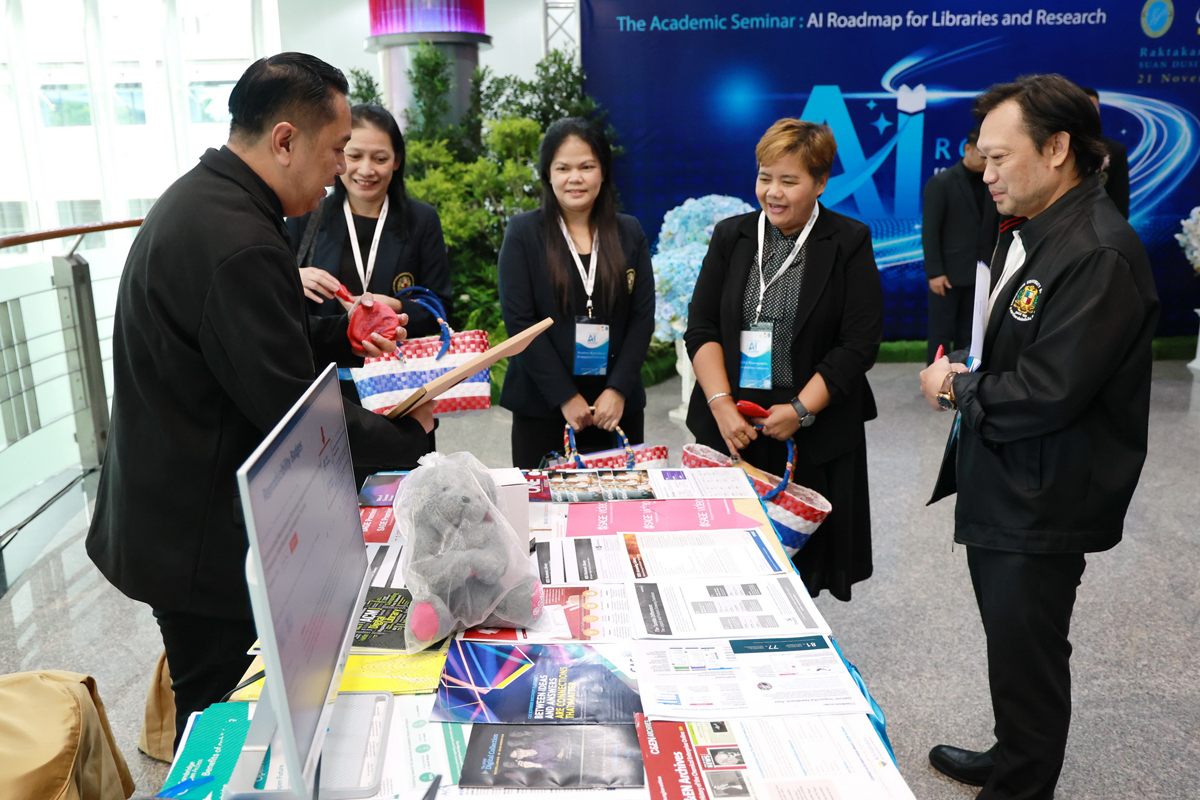
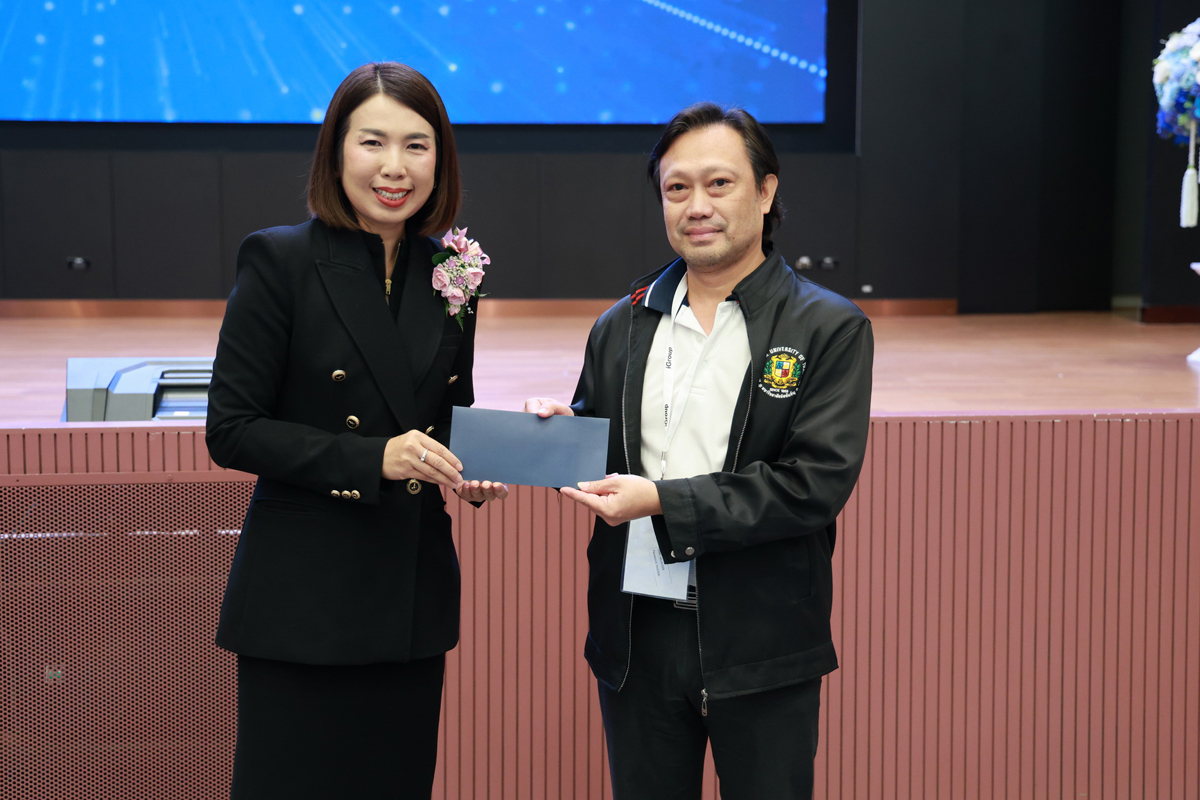
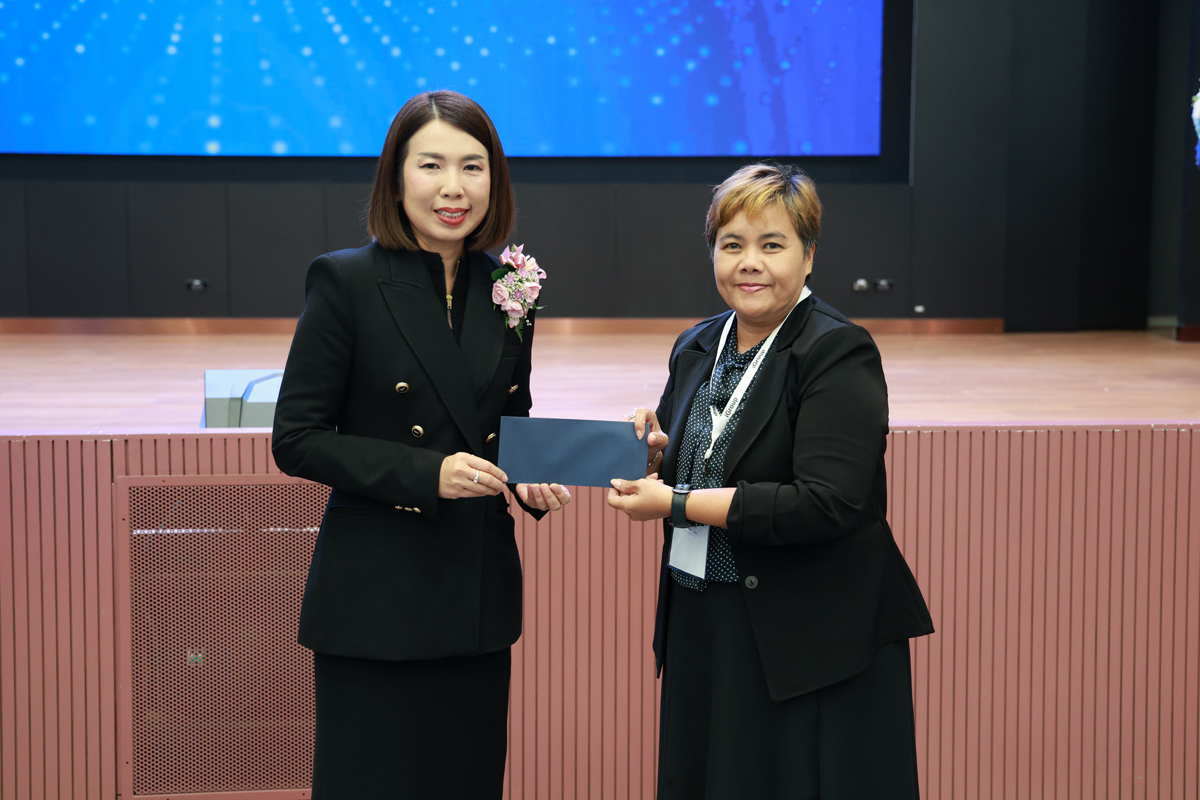
Assumption University’s Central Library proudly sent a delegation to the Academic Seminar “AI Roadmap for Libraries and Research” hosted at Suan Dusit University. The event gathered leaders, researchers, and library professional for a full day of high-impact discussions on how artificial intelligence is transforming knowledge management, digital services, and academic research across Thailand.
Representing the AU Central Library were:
Mr. Somsin Sripraphatsorn, Information Resources Management
Mrs. Wilai Pruesapancha, Information Services and Learning Support
Mrs. Patcharaporn Tantipalphant, Librarian
Ms. Wantinee Kaewkheaw, Librarian
Their participation reflects AU Library’s commitment to advancing digital literacy, enhancing research support, and preparing for an AI-empowered future.
 |
 |
Opening Session — Asst. Prof. Dr. Pitauk Chancharoen, President of Suan Dusit University, opened the seminar by framing AI as a national imperative, echoing Thailand’s commitment to the AI Thailand Action Plan (2025–2570). His keynote emphasized that AI is no longer optional for universities, it's foundational infrastructure for teaching, research, and institutional competitiveness.
Understanding Thailand’s AI Direction
In a policy-driven session, speakers highlighted:
- Five strategic pillars of Thailand’s AI development, including AI upskilling, national data governance, and digital-ready human capital.
- Evidence from recent studies showing that 93% of university students and 50% of postgraduate learners now use AI tools weekly.
- The need for universities to expand AI access while ensuring ethics, transparency, and responsible use.
This set the stage for the entire event: AI readiness must be institutional, not individual.
CLICK HERE: to find PowerPoint presentation
Knowledge Management & AI Skills —Dr. See Diu Seng and Mr. Pote Narittakurn
The morning’s central session explored how AI can modernize knowledge management in libraries. Key insights included:
- AI-powered search is now capable of understanding meaning, not just keywords, enabling students to find complex academic content more easily.
- New tools support auto-tagging, metadata creation, and cross-format content linking, turning fragmented archives into unified knowledge ecosystems.
- Librarians can leverage AI to save 5–10 hours a week through tools that summarize articles, translate resources, prepare research guides, and generate learning support materials.
- The presenters introduced AI Plus Pro, a secure, library-specific AI workspace offering multi-model comparison, academic prompting templates, and private data storage—addressing top concerns around data leakage, output quality, and workflow complexity.
Their message was clear: librarians are not being replaced—librarians who master AI will lead the next generation of academic information services.
CLICK HERE: to find PowerPoint presentation
AI Users’ Identities (ตัวตนคนใช้ AI) — Assoc. Prof. Dr. Sukhum Chaleysub
Dr. Sukhum delivered a powerful, fast-moving session on who uses AI in universities and what each group actually needs. Using global frameworks from UNESCO, COPE, NIST, and EDUCAUSE, he highlighted four critical user groups:
- Administrators – governance, risk management, and data dashboards
- Faculty – AI-enhanced teaching, assessments, and learning analytics
- Librarians & Info Professionals – AI-powered search, summaries, translation, and information literacy
- Researchers – AI for NLP analysis, reproducibility, and transparent disclosure ethics
He stressed that academic integrity rules are evolving, including clear prohibitions on AI in peer review and strict disclosure requirements for grants, standards that libraries must help communicate to their communities.
CLICK HERE: to find PowerPoint presentation
Creating a Safe Sandbox for Gen AI Adoption in Universities — Dr. Wong Woei Fuh
Dr. Wong’s session tackled the question everyone is asking:
How can universities adopt AI without risking data exposure, academic integrity, or uneven student access?
His session outlined:
- The need for a “safe sandbox” for experimentation
- Guidelines for prompt engineering as a professional research skill
- Practical AI governance models following OECD and NIST frameworks
- Transparent workflows to ensure fairness, privacy, and institutional trust, especially as AI becomes embedded in teaching and assessment tools
CLICK HERE: to find PowerPoint presentation
One World Library: Strategic Leadership Vision for AI-Driven Digital Services — Asst. Prof. Thipsuda Kitlert
Asst. Prof. Thipsuda presented Suan Dusit University’s visionary One World Library (OWL) transformation—an inspiring example of AI-driven digital leadership. Her presentation showcased:
- The LISTES Model: Leadership, Innovation, Smart Services, Transformation, Ecosystem, Sustainability
- Change-management frameworks that blend Kurt Lewin’s Unfreeze–Change–Refreeze model with digital ecosystem development
- AI-supported services including smart search, digital literacy pathways, and campus-wide learning zones
- A clear roadmap for how libraries can serve as dynamic “learning operating systems” for universities
Her session illustrated what is possible when a university elevates its library as a central engine of innovation.
CLICK HERE: to find PowerPoint presentation
 |
 |
 |
Looking Ahead
The seminar reaffirmed the transformative role of AI in academic libraries and highlighted the leadership role that information professionals must now play. For Assumption University Library, this event was an invaluable opportunity to gather insights, benchmarks, and strategic direction as AU advances its own AI-ready services for students, faculty, and researchers.